Market Cap: $313M
Share Price: $4.30
EPS (TTM): $0.59
Revenue Growth (TTM): +50%
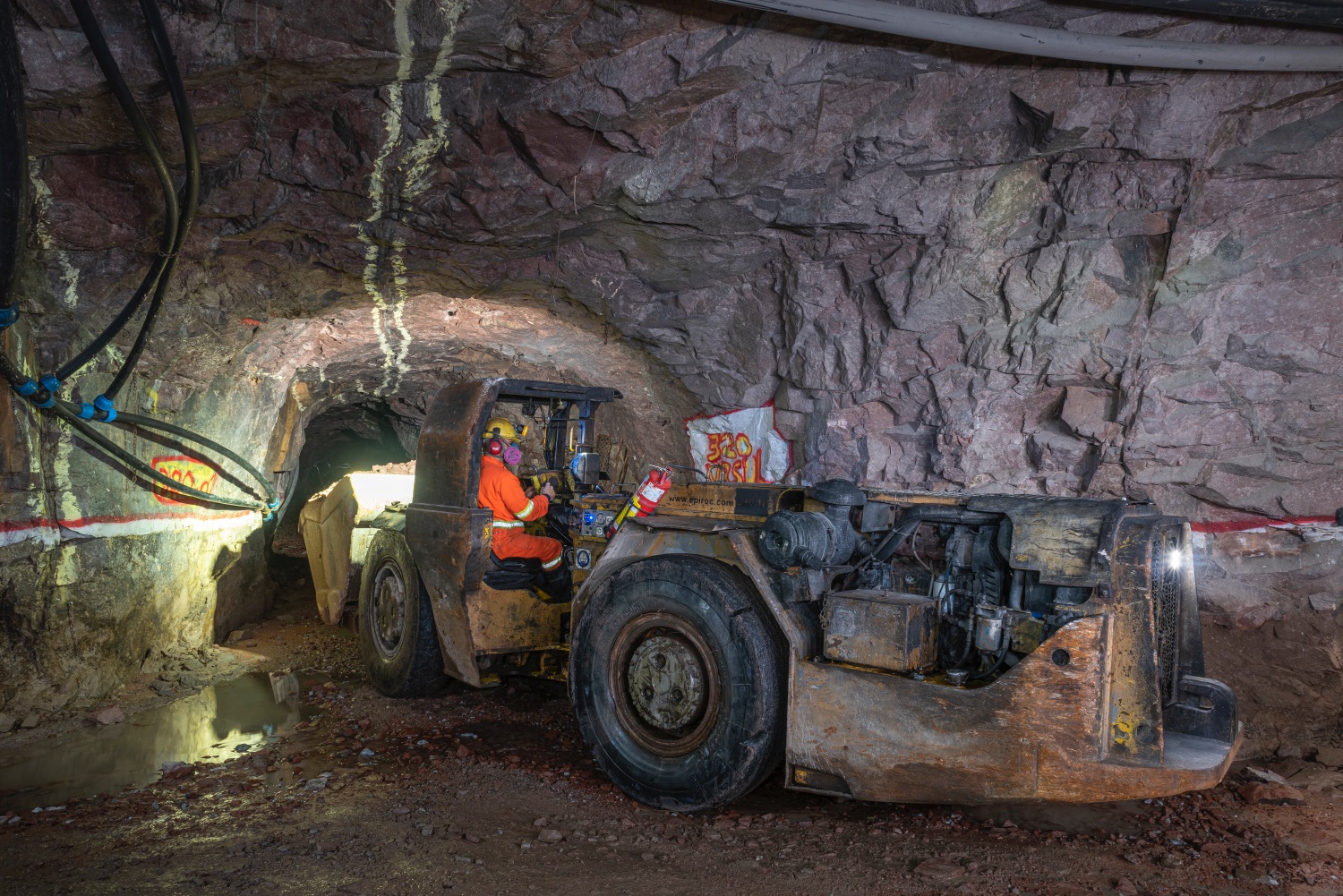
Serabi Gold plc (OTC: SRBIF) is a Brazil-focused underground producer generating rapidly expanding earnings, strong margins, and significant free cash flow at current gold prices. Over the past twelve months, revenue increased nearly 50% while net income rose to $44.9 million and free cash flow reached approximately $33 million.
Despite this step-change in operating scale, the shares trade at roughly 7x trailing earnings, ~5x forward earnings, and a ~10–11% free cash flow yield.
The valuation reflects the company’s small size, limited liquidity, and lack of institutional ownership rather than its current economic performance. In effect, Serabi’s operating scale and cash generation have expanded faster than its investor base.
Rapidly Improving Economics
Trailing twelve-month results:
- Revenue: $128.8 million (+49.6% YoY)
- EBITDA: $59.1 million
- Operating income: $51.6 million
- Net income: $44.9 million (+61% YoY)
- Free cash flow: $32.9 million
Profitability is unusually strong for a producer of this size:
- Gross margin: 54%
- Operating margin: 40%
- Net margin: 35%
- Free cash flow margin: 26%
Earnings per share increased to $0.59, more than doubling year-over-year.
Returns on capital reflect the strength of the operating model:
- ROE: ~35%
- ROIC: ~37%
At the current equity value, the business is generating a mid-teens earnings yield without financial leverage.
Balance Sheet Strength
Serabi operates with a conservative financial profile:
- Cash: $38.8 million
- Total debt: $6.4 million
- Net cash: $32.3 million
- Debt / EBITDA: ~0.1x
The company’s net cash position reduces financial risk and allows current operations and incremental growth to be funded internally. With minimal leverage, changes in operating performance and gold prices translate directly into equity value.
Operating Leverage to Gold and Throughput
Recent growth reflects both higher realized gold prices and increased operating throughput. Underground mining costs are largely fixed at the site level, meaning incremental production and price strength flow disproportionately to margins.
The most recent quarterly results imply an earnings run-rate above trailing levels, suggesting the market continues to value the company based on historical production rather than its emerging higher-throughput operating base.
If current gold prices persist, the existing cost structure provides continued leverage to both price and volume.
A Structural Discount
The primary constraint on valuation is access to capital, not operating performance.
Serabi remains outside most institutional portfolios due to:
- Small market capitalization
- OTC listing and limited trading liquidity
- Concentrated asset base
- Brazil jurisdiction exposure
Institutional ownership is minimal, and average daily trading volume is low. As a result, the shares trade at valuation levels typically associated with early-stage or higher-risk junior producers.
This creates a structural gap:
Economics improving
vs
Investor participation unchanged
Valuation
At current prices:
- Trailing P/E: ~7x
- Forward P/E: ~5x
- EV / EBITDA: ~4.7x
- Free cash flow yield: ~10–11%
- Earnings yield: ~14%
These multiples imply the market views current profitability as cyclical or operationally uncertain, despite strong margins, high returns on capital, and a net cash balance sheet.
If production stability is demonstrated at current throughput levels, even modest multiple normalization toward small-producer peer levels would imply meaningful upside given the company’s cash generation.
Upside Drivers
The investment case does not require aggressive growth. Potential revaluation drivers include:
Operational consistency
Stable production and grade performance at current throughput levels.
Cash accumulation
Balance sheet growth reinforces earnings durability and reduces perceived risk.
Recognition of operating scale
Sustained earnings at current levels could shift investor perception from speculative junior to established small producer.
In addition, higher gold prices would expand margins and free cash flow given the largely fixed operating cost base.
Key Risks
The valuation discount reflects real risks:
- Production or grade variability
- Operational concentration across a limited number of assets
- Brazil jurisdiction exposure
- Limited liquidity and small-cap volatility
- Minimal institutional ownership
The thesis would weaken if operational performance deteriorates or if cost pressures materially compress margins.
Investment Conclusion
Serabi is a higher-risk, non-institutional gold producer whose valuation continues to reflect its historical scale and structural constraints rather than its current earnings power.
With revenue growing nearly 50% year-over-year and free cash flow exceeding $30 million, the company now generates economics more consistent with a larger operating base. At roughly a 10–11% free cash flow yield and a net cash balance, the shares remain priced at junior-level multiples.
If current gold prices persist and operating performance remains stable, the gap between Serabi’s emerging cash flow scale and its limited investor sponsorship has scope to narrow, with equity performance driven by sustained cash generation and gradual capital recognition.